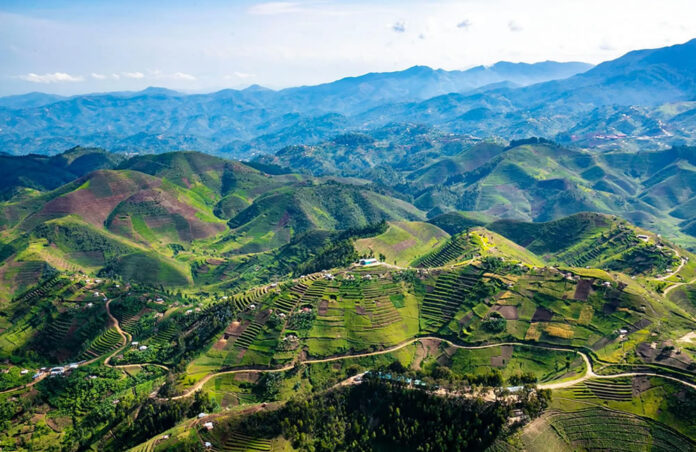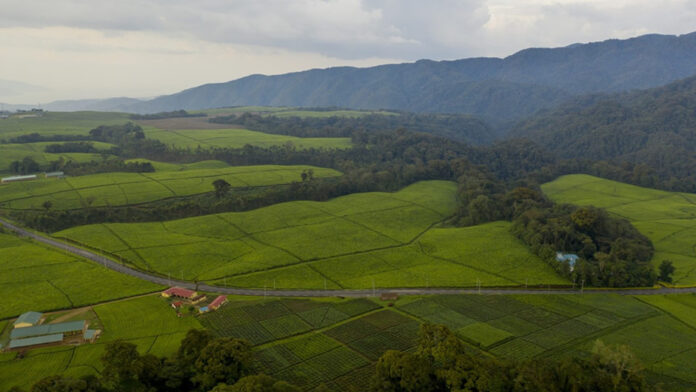
Long fabled as the place where honey and milk flows unhindered and the land of a thousand hills, it is indeed a place where deep volcanic forces are pressing the continental plates apart, thus a world of exquisite beauty and unsurpassed biodiversity.
True to the above, Rwanda to the tourism connoisseurs has been known for its endangered primates, the mountain gorillas (Rwanda actually controlling 324 of the world’s 700 mountain gorillas).
Then the awe some biodiversity of this country, is the other or second attraction that Rwanda has always been known for with tropical forests like Nyungwe offering spectacular sightings including the multitude of bird species, diversity of flora and numerous hidden waterfalls, with exquisite and excellent sights to hold.
For the above, a normal tourist’s itinerary has been designed, however a little scratch reveals that there is more that the tourist miss or do not dwell upon for as much time as they should.
The Artifacts and Curios
These range from wood carvings to weaved mats, fancy baskets, paintings and what have you. Tourist’s treks are normally incomplete with out the proofs of their feats and the only proof of their endeavors, are the curios and artifacts collected during their journeys. Thus clearly an important spoke in this Rwandan tourism wheel.
In as much as this aspect of the tourism industry doesn’t seem to come at the fore front, it is not entirely forgotten in the mud rash to make Rwandan tourism a success.
Testimony to the above is the battle cry that is raging at the national tourism office-“foster responsible tourism”. A simple explanation of the above concept is basically how much of that tourism revenue goes deep down to the locals and what can and is being done to channel that much!
First of all, how much is at play here: well according the ORTPN 2004 report, “on an average the tourists spent US$ 218 a day and 2.1 days at each one of the gorilla parks, which makes US$ 458 for four days per park” yet there is more to that assuming they did not only watch gorillas. And how much of that gets down to the locals?
Now since these artifacts are made by the locals them selves, many at times from local material, to try and harness the revenue coming out of this business, there has been an organization of these individuals dealing in different kinds of crafts and putting them together so that the dividends coming out of this business are best put to use and are better managed for these crafts men and women.
The organizations aforementioned, are the numerous cooperative associations that are cropping up all over the country in a bid to tap on the flowing streams of the tourist’s money. These cooperative associations have helped a great deal in bringing together these various artists and front one united market.
According to the proprietor of COOPABU crafts shop (who preferred anonymity) on KBC building in Kacyiru, there over 11 cooperatives under there umbrella, operating around the country with big art shops that have helped market the product of these local artists.
According to this proprietor, these cooperatives go way back in the tourism history of this country, since they have existed for over 20years, have always acted like middle men for the local producers of these artifacts and with time they have evolved to become whole sellers and at the same time retailers of the products of these local artists.
Apparently the local producers of these products are (a bigger number of them) affiliated to one or the other cooperative. The COOPABU and the other proprietors of these cooperatives shops will have a selected group of suppliers of who are affiliated to their association and they are the ones who will supply them with the artifacts to be sold.
This way of conducting business has greatly contributed to the enhancing of the incomes of the various artists that are affiliated to the respective association. As the aforementioned proprietor disclosed, that with good returns, a weaver of mats and decorative baskets could walk away at the end of the month 50.000 francs richer.
This has greatly helped improve tourism on either sides of the coin. One, the tourists no longer have to be jostled and coaxed into buying artifacts along the way without having the opportunity of being exposed to choice and selection.
Yet on the other side, selling of artifacts has been defined to be a serious house hold income generator since the income is a steady inflow.
Coupled with the above targets plus attained achievements, the cooperatives have diversified to meddle into women empowerment. Well according to the proprietor of COOPABU, KBC building, of the 11 associations that are under the umbrella, of COOPABU, only 2 are run by men whilst the rest are managed by women and this has greatly inspired the other women who are involved in this trade.
Tourism itself has greatly improved with more to see and take than just mountain gorillas, biodiversity and hotels. This is witnessed in the fact that not only do the tourists spend money on hotels, game parks, they also go home with plenty curios and artifacts.
Finally to urge the powers that be to empower the more these cooperatives, I will probably quote what the State Minister of Commerce, Industry and Investment Promotion, Tourism and Cooperatives Protais Mitali said during the last celebrations world tourism day in September. “let us not put all our eggs in one basket-mountain gorilla but rather diversify the tourism sector to lure tourists to stay longer than the current average of 2.1days and spend more than US $218 a day.”